6246 Rufe Snow Dr Ste C, North Richland Hills, TX, 76148
Bonded & Insured
North Richland Hills, TX

Foundation Repair in North Richland Hills, TX Built for Shifting Clay Soil

If you own a home in North Richland Hills, the ground under it is always moving. Northeast Tarrant County's montmorillonite clay swells after a wet May and shrinks hard through 100°F Augusts. That cycle cracks brick, jams doors and drops slab corners. Droughts like 2011, 2022 and 2023 made it worse. North Richland Hills Foundation Repair Pros was set up to deal with that problem. We repair slabs, install piers, level floors, seal cracks and fix the drainage that keeps the soil moving, so the repair is more likely to last.

Most of our work is in the 1960s–80s brick ranch homes around Smithfield, Holiday West and the Mid-Cities Boulevard corridor. We also work on pier-and-beam houses in Richland Hills and Haltom City and newer post-tensioned slabs in Home Town NRH, Thornbridge and Keller. Every inspection comes with elevation measurements, photos and a written report. You'll get clear repair options, a realistic timeline and paperwork that holds up in a real estate transaction, which matters a lot in a market as fast as DFW's.

  • Serving Northeast Tarrant County since 2020
  • Bonded and insured
  • Elevation measurements, photos and a written report with every inspection
  • Financing available
Free Estimate

Request Your Free Estimate

No obligation. Fast, honest quotes.

Prefer to talk? Call (817) 783-9379 — your details are never shared.

Credentials & Certifications BondedInsuredFinancing available
What We Do

Foundation Repair Services in North Richland Hills

Every repair starts with a measurement and a diagnosis, not a sales pitch. Below is every service we offer and how it applies to homes here. That includes 1960s slab homes in Smithfield, pier-and-beam houses in Richland Hills, and new custom builds in Southlake. If you aren't sure which one you need, the inspection will sort that out.

★ Specialty

Foundation Repairs

We diagnose and correct foundation movement on residential and commercial properties. That covers settlement, heave, cracking and drainage-related problems, and it always starts with elevation readings and a written report.

Elevation surveys, crack mapping, plumbing-test coordination, piering, leveling and drainage correction. The repair plan is built around the actual movement pattern, not a set number of piers.

In NRH, where clay keeps changing with every wet spring and dry summer, we pair structural repairs with moisture control. That gives a repair a better chance to hold through the next drought cycle.

Best for: Homeowners and investors seeing cracks, sticking doors or sloping floors who want an honest diagnosis before spending money.

Explore
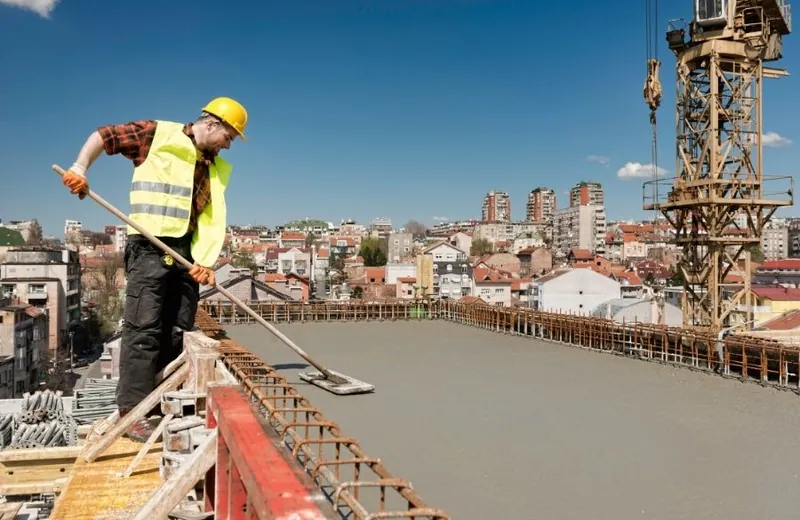
★ Specialty

Slab Foundation Repair

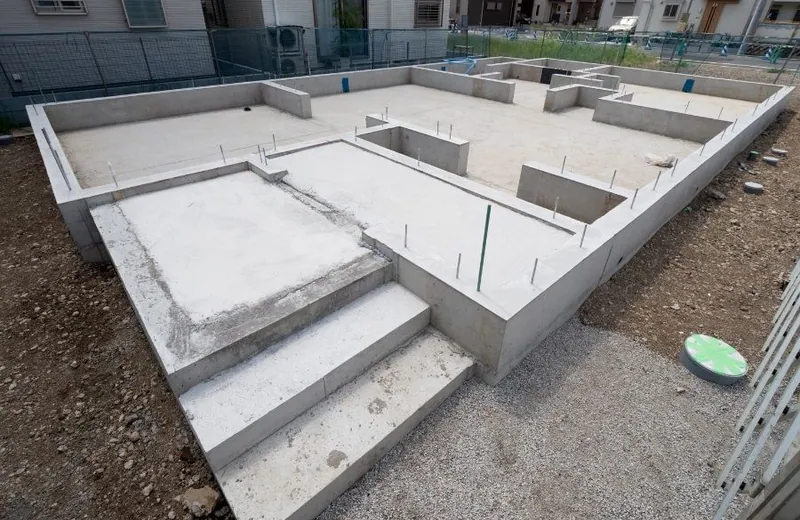
We stabilize and re-level slab-on-grade foundations, both conventionally reinforced and post-tensioned. These are the most common foundation types in North Richland Hills.

Exterior and interior piers placed under settled areas, hydraulic lifting, void fill and post-lift elevation verification. We also identify heave and avoid piering any area that has risen.

Most 1960s–80s NRH homes sit on slabs poured before modern soil engineering. Perimeter settlement at corners is the most common pattern we correct here.

Best for: Brick ranch homes with stair-step cracks, corner drops or doming slabs across NRH, Hurst, Bedford and Watauga.

Explore

House Foundation Repair

We repair the whole-home foundation, whether your house is on a slab or pier-and-beam. You get one plan covering structure, drainage and finish repairs.

Full inspection, elevation mapping, a prioritized repair scope and a phased option for tighter budgets.

North Richland Hills houses range from 1950s raised homes to 2010s two-story builds. We match the method to how the house was built.

Best for: Owners who want the whole picture rather than patching individual symptoms.

Explore

Foundation Inspection

We do a thorough evaluation of your foundation's condition with elevation measurements, photos and a written report you can keep or share.

Digital elevation readings throughout the home, exterior and crawl space checks, drainage review and crack documentation.

In DFW's fast real estate market, our reports help buyers and sellers respond to TREC inspection findings without delaying closing.

Best for: Buyers, sellers, investors, and anyone unsure whether cracks are seasonal or structural.

Explore

Foundation Raising

We lift settled sections of a foundation back toward their original elevation once they've been stabilized on piers.

Controlled hydraulic jacking in stages, with continuous monitoring to limit new cracking in drywall, tile and brick.

After drought summers, NRH homes can drop an inch or more at the corners. We raise them carefully to protect older finishes.

Best for: Homes with measurable settlement causing sloped floors and stuck doors.

Explore

Concrete Foundation Leveling

We restore level and plane to concrete foundations that have shifted unevenly.

Piering plus hydraulic lift, or targeted void fill where the slab has lost contact with the soil.

This is common where the perimeter has dried out under mature live oaks and pecans in older NRH and Richland Hills neighborhoods.

Best for: Slab homes with uneven floors and diagonal drywall cracks.

Explore

Concrete Slab Leveling

We level sunken slabs, both interior floors and exterior flatwork tied to the house.

Void fill, slab lifting and joint sealing to keep water out afterward.

Clay settlement under patios and porches can direct water toward the foundation, a common problem after NRH hailstorms.

Best for: Sunken porches, patios and slab sections that trap water.

Explore

Concrete Slab Repair

We repair damaged, cracked or broken slab concrete, including corner pops and spalled edges.

Cleaning, epoxy or cementitious repair materials, and reinforcement where needed.

Corner pops are a hallmark of 1970s NRH slabs that have flexed through decades of shrink-swell.

Best for: Broken slab corners and surface damage around the perimeter.

Explore

Concrete Foundation Repair

We do structural and surface repairs to concrete foundations of all types.

Stabilization first, then crack injection, patching, sealing and reinforcement as needed.

For older Haltom City and Richland Hills homes, we balance lasting fixes with practical budgets.

Best for: Any concrete foundation showing cracking or deterioration.

Explore

Poured Concrete Foundation Repair

We repair poured concrete foundations and walls, including cracks, settlement and moisture intrusion.

Crack injection, stabilization and waterproof sealing.

Poured stem walls and grade beams in local homes crack where clay moves unevenly beneath them.

Best for: Poured foundations with visible cracking or seepage.

Explore

Foundation Crack Repair

We seal and repair cracks in foundation concrete after confirming whether they show active movement.

Elevation checks first, then epoxy or polyurethane injection and surface sealing.

Hairline cracks after a 100°F August are common in NRH. Wide, offset or reopening cracks need more than sealant.

Best for: Homeowners who want to know if a crack matters, then fix it right.

Explore

Concrete Wall Crack Repair

We repair cracks in concrete foundation and stem walls.

Injection, stitching or reinforcement depending on crack width and movement.

These are common in raised homes and split-level lots where soil pressure varies.

Best for: Vertical or diagonal cracks in exposed concrete walls.

Explore

Concrete Floor Crack Repair

We repair cracks in interior slab floors, often found when flooring is removed.

Evaluation, crack sealing and leveling compound before new flooring goes in.

Cracked tile across living areas is a frequent sign in NRH ranch homes. We check for heave and leaks first.

Best for: Homeowners remodeling or seeing cracked tile.

Explore

Foundation Patching

We patch spalled, chipped or deteriorated foundation surfaces.

Surface prep and bonded repair mortar matched to the existing concrete.

Old slab edges exposed by eroded grading in older neighborhoods often need patching and protection.

Best for: Cosmetic and minor surface deterioration.

Explore

Concrete Foundation Sealing

We seal foundation surfaces and joints to limit water intrusion.

Penetrating sealers, joint sealants and crack sealing at the slab perimeter.

This helps reduce moisture swings at slab edges during NRH's heavy spring storms.

Best for: Homes with exposed slab edges or recurring dampness.

Explore

Concrete Foundation Reinforcement

We add structural support to weakened foundation elements.

Added piers, beam reinforcement and supplemental support where load or movement demands it.

Useful for older slabs that predate modern design standards and for homes that are adding load.

Best for: Foundations that are undersized or weakened by past movement.

Explore

Foundation Wall Repair

We repair cracked, bowed or deteriorated foundation walls.

Stabilization, crack repair, reinforcement and rebuilding sections when necessary.

Clay pressure and poor drainage stress perimeter walls on raised and split-grade homes.

Best for: Walls with cracking, leaning or moisture damage.

Explore

Stem Wall Repair

We repair the short perimeter walls that support pier-and-beam homes.

Crack repair, sectional rebuilding, footing stabilization and drainage correction.

Common on 1950s raised homes in Richland Hills, Haltom City and Fort Worth's older districts.

Best for: Pier-and-beam homes with cracked or settling perimeter walls.

Explore
★ Specialty

Pier and Beam Foundation Repair

We re-level and restore raised foundations, including piers, beams, sill plates and floor framing.

Re-shimming with steel shims, replacing failed cedar or block piers with concrete, and sistering or replacing rotted beams.

Richland Hills, Haltom City and Forest Hill have many 1950s–60s raised homes on aging cedar and block piers that need this work.

Best for: Homes with bouncy, sagging floors or rot in the crawl space.

Explore

Concrete Pier Foundation Repair

We repair or replace concrete piers that have sunk, cracked or shifted.

Pier replacement, footing upgrades and new shimming to restore support.

This includes older pressed concrete or bell-bottom pier systems common in previously repaired NRH homes.

Best for: Homes with failed or tilting piers.

Explore

Concrete Block Foundation Repair

We repair foundations and piers built from concrete block.

Rebuilding or replacing cracked block piers and repairing mortar and footings.

Block piers under older Haltom City and Richland Hills homes often lean or crack as clay shifts.

Best for: Raised homes with leaning or crumbling block piers.

Explore

Crawl Space Repair

We fix the moisture, structural and drainage problems inside crawl spaces.

Drainage, ventilation improvement, wood repair, debris removal and support upgrades.

Crawl spaces here can hold standing water after May storms, which rots framing in older homes.

Best for: Musty, damp crawl spaces or rotting floor framing.

Explore

Crawl Space Foundation Construction

We build new crawl space foundations for additions or rebuilds.

Engineered footings, piers, stem walls and beams designed around local soil conditions.

Good for additions on older raised homes that need a matching foundation system.

Best for: Additions and rebuilds on pier-and-beam properties.

Explore

Foundation Installation

We install new foundations for additions, outbuildings and replacement structures.

Site evaluation, excavation, forming, reinforcement and pouring to engineered plans.

New foundations on Tarrant County clay need proper design and permits from cities like NRH, Keller or Southlake.

Best for: Property owners adding square footage or structures.

Explore

Foundations

We provide general foundation services, from evaluation through new construction and repair.

Inspection-led planning and the right method for each structure type.

We serve every foundation type found within 20 miles of North Richland Hills.

Best for: Anyone who needs a foundation partner for any project.

Explore
★ Specialty

Foundation Drainage

We correct the water problems that drive foundation movement on expansive clay.

French drains, regrading, downspout routing, surface drains and gutter coordination.

In DFW's Hail Alley, storm runoff often overwhelms drainage. Fixing it is often what decides whether an NRH repair lasts.

Best for: Homes with pooling water, erosion or repeat movement after repairs.

Explore

Concrete Slab Leak Repair

We address foundation damage caused by leaks under the slab.

We coordinate testing and repair with a licensed plumber, then fill voids and level the slab.

Cast-iron sewer lines under 1960s–70s NRH slabs are a frequent source of heave and settlement.

Best for: Homes with high water bills, odors or unexplained interior heave.

Explore

Garage Foundation Repair

We repair garage slabs, stem walls and the joint between the garage and house.

Crack repair, leveling, piering and joint sealing.

Garage corners often drop first on NRH homes because the slab edge is so exposed.

Best for: Cracked or sinking garage floors and separated garage walls.

Explore

Driveway Foundation Repair

We repair driveways that have settled or cracked near the home.

Slab lifting, void fill, crack repair and joint sealing.

Sunken driveways can channel water toward the slab after heavy storms.

Best for: Driveways sloping toward the house or separating from the garage.

Explore

Concrete Repairs

We handle general concrete repair around the home and foundation.

Patching, sealing, crack repair and resurfacing.

Freeze events like February 2021 and constant clay movement both damage exterior concrete here.

Best for: Porches, steps, walks and flatwork damage.

Explore

Commercial Foundation Repair

We repair foundations for commercial and investment properties.

Scheduled phasing, documentation for owners and lenders, and permit coordination.

We serve retail and office properties along Mid-Cities Boulevard and Loop 820, plus rental portfolios across Tarrant County.

Best for: Property managers, landlords and small commercial owners.

Explore
Know The Signs

Common Foundation Problems in North Richland Hills

Most of what we see around NRH has a few root causes: clay that swings between wet and dry, aging slabs and plumbing, and drainage that can't handle a hard Texas storm. Here are the problems we find most often, from minor to urgent, and what each one usually means for your house.

Perimeter Settlement and Slab Corner Drop Serious

The outer edges or corners of a slab sink below the rest of the foundation. The center stays high, which is sometimes called doming. This is the most common movement pattern on DFW clay, and it gets worse each time the soil goes through a drought and rewetting cycle.

Why it's common here

Soil at the edge of a slab dries out faster than soil under the middle, especially on west- and south-facing sides that bake through July and August. Big live oaks and pecans planted close to the house in the 1970s pull out even more moisture. After summers like 2022 and 2023, the clay at the perimeter can shrink several inches deep, and the slab edge has nothing left to rest on. Many 1960s–80s slabs in NRH were built without today's soil engineering, so they don't have much stiffness to resist that.

Signs you'll notice
  • Stair-step cracks in brick veneer near corners
  • Frieze boards pulling away from brick
  • Doors that stick or won't latch, especially exterior doors
  • Gaps between baseboards and floor
  • Windows that bind or have cracked panes
  • Sloping floors you can feel walking toward exterior walls
Local patterns

We see this most in brick ranch homes in Holiday West, Richland Oaks and Meadowview Estates, and along the Mid-Cities Boulevard corridor. It shows up most on lots with mature trees. Calls spike in late summer and right after the first heavy fall rain.

Our fix: Steel or pressed concrete piers under the settled sections, then hydraulic lifting to restore elevation. We follow up with drainage corrections and moisture management so the perimeter doesn't dry out again.

Slab Heave and Doming Serious

Part of the slab, usually the interior, gets pushed upward by swelling clay. Heave is easy to mistake for settlement. Piering a heaved area is a costly mistake, because it locks the slab in the wrong position instead of fixing the actual cause.

Why it's common here

Montmorillonite clay can expand dramatically when it gets wet. A leaking cast-iron sewer line or supply line under a 1960s–70s slab can saturate the soil from below for months, and the interior rises. Heavy spring rain after a drought can do the same thing when water gets in through poor grading. Because North Richland Hills has so many older homes with original under-slab plumbing, heave caused by leaks is a real possibility we always check for before recommending piers.

Signs you'll notice
  • Interior walls cracking above door frames
  • Cracked tile running across the middle of the house
  • Interior doors out of square while exterior doors are fine
  • A high spot in the floor you can feel underfoot
  • Unexplained rise in water bill
  • Damp or warm spots on the floor
Local patterns

Most common in 1960s–70s slab homes near Smithfield and the Northeast Loop 820 corridor, and in Haltom City. It often shows up after a wet May or after a plumbing leak that went unnoticed.

Our fix: First, a plumbing test by a licensed plumber. Then we repair the leak, let the soil stabilize, and do targeted leveling. We only pier sections that have actually settled.

Under-Slab Plumbing Leak Damage Emergency

Water or sewage escapes from pipes buried beneath the slab and saturates or erodes the soil underneath. Depending on the soil and the leak, it can cause localized heave, voids, or settlement, and it often happens alongside other foundation movement.

Why it's common here

Homes built in the 1960s–70s across NRH, Richland Hills and Haltom City usually have cast-iron drain lines. After 50+ years in wet, dry and corrosive clay, those lines crack, scale and separate. Foundation movement adds stress on the pipes, and the leaking pipes then cause more movement. The February 2021 freeze also burst plumbing across Tarrant County, and some of that damage reached under slabs.

Signs you'll notice
  • Sewer odor inside the home
  • Slow drains or recurring backups
  • Water meter moving with all fixtures off
  • Floor cracks that keep widening
  • Mildew under carpet or flooring
  • Soil voids or sinkholes near the slab edge
Local patterns

This shows up regularly in original-owner homes near Richland Oaks, Diamond Oaks and the older parts of Richland Hills. These houses often have their original cast-iron sewer lines and a long history of slab patching.

Our fix: We coordinate hydrostatic testing by a licensed plumber and repair the leak first. Then we fill voids and stabilize or level the slab once the soil has recovered.

Pier-and-Beam Sagging and Crawl Space Decay Serious

The floors of a raised foundation sag or bounce because piers have sunk or tilted, shims have crushed, or beams and sill plates have rotted. It's a different structural system from a slab, and it needs a different set of repairs.

Why it's common here

Many 1950s–60s homes in Richland Hills, Haltom City and Forest Hill sit on cedar posts or concrete block piers. Those piers were never built for decades of clay movement. Crawl spaces with poor ventilation and no drainage hold moisture after spring storms. That rots wood and lets the soil under the piers soften and give way. Nobody watches a crawl space, so the damage can go on for years before anyone notices it.

Signs you'll notice
  • Bouncy or sagging floors
  • Musty odors from floor vents
  • Visible gaps between floor and walls
  • Rotted or damp sill plates
  • Leaning or cracked block piers
  • Standing water in the crawl space after rain
Local patterns

This is concentrated in the older blocks of Richland Hills and Haltom City, around Diamond Oaks, and in Fort Worth neighborhoods like Fairmount and Ryan Place. Historic review there can also affect exterior work.

Our fix: Re-shimming, replacing failed piers with concrete piers, sistering or replacing beams and sill plates, plus crawl space drainage and ventilation improvements.

Poor Grading and Foundation Drainage Moderate

Water collects next to the foundation instead of draining away from it. That creates uneven moisture around the slab, which leads directly to uneven movement on expansive clay.

Why it's common here

Northeast Tarrant County is in DFW's 'Hail Alley.' Storms here dump a lot of water fast. Gutters on many older homes are undersized or were damaged by hail, and downspouts often empty right at the slab. After 40–50 years of flower beds, added patios and settled backfill, many yards now slope toward the house. One side of the foundation gets soaked while another bakes.

Signs you'll notice
  • Water pooling near the slab after storms
  • Downspouts discharging at the foundation
  • Soil pulling away from slab edges in summer
  • Mulch beds higher than the slab edge
  • Erosion lines or exposed slab edges
  • Efflorescence or staining on lower brick
Local patterns

This is common after hail seasons across Watauga, Hurst and NRH. It's also common in yards along the Little Bear Creek drainage and on Keller and Colleyville lots with heavy landscaping.

Our fix: Regrading, French drains, downspout extensions or underground drains, and surface drainage corrections. These are often paired with foundation work so the repair has stable moisture conditions.

Brick Veneer and Mortar Cracking Minor

Cracks in brick, mortar joints and frieze boards that follow foundation movement. Sometimes they're cosmetic and seasonal. Other times they're the first visible sign of structural settlement.

Why it's common here

Brick veneer is rigid and the clay under it isn't. Almost every brick ranch home in North Richland Hills shows some seasonal hairline cracking after a dry summer. The real question is whether cracks are widening, offsetting, or reopening after they've been repaired. That's why we take elevation measurements instead of guessing from how the cracks look.

Signs you'll notice
  • Stair-step cracks through mortar joints
  • Cracks wider than 1/4 inch
  • Brick offset or displaced at the crack
  • Gaps at window frames or trim
  • Cracks reappearing after tuckpointing
  • Frieze board separation at the roofline
Local patterns

This is everywhere in 1970s–80s neighborhoods like Fox Hollow and Holiday West. It usually peaks in August and September after long stretches above 100°F.

Our fix: We measure elevations to confirm whether there's active movement. If it's minor, we repair the mortar and seal the cracks. If it's structural, we stabilize the foundation first, then repair the brick.

Failed Prior Foundation Repairs Serious

Earlier pier installations, usually pressed concrete pilings or bell-bottom piers, that have stopped supporting the house. Often the original company is gone, and so is its warranty.

Why it's common here

A large share of North Richland Hills housing has been repaired at least once. Some older repairs used pilings that weren't driven deep enough to reach stable strata. Tarrant County's clay can be shallow or deep before hitting limestone or shale. Other repairs ignored drainage and moisture control, so the soil kept moving around the piers. Many of the companies that installed them have since closed.

Signs you'll notice
  • New cracks near previously repaired areas
  • Sticking doors returning after repair
  • Visible old pier caps or patched slab edges
  • Gaps under trim that had been closed
  • Seller disclosures noting past repair
  • TREC inspection flagging movement again
Local patterns

This is common in resale homes along the Iron Horse area and Mid-Cities Boulevard. It usually comes up during home sales, when buyers' inspectors spot signs of earlier piering.

Our fix: We evaluate the existing piers and elevations, then add or replace piers where needed. We also correct the drainage and document everything for buyers and lenders.

Transparent Pricing

How Much Does Foundation Repair Cost in North Richland Hills?

Most NRH foundation repairs cost a few thousand dollars to the low five figures. The final number depends on how much the house has moved, what type of foundation it has, and what's causing the movement. These are typical ranges for the Tarrant County market.

Typical Project

Corner drop on a 1970s NRH brick ranch

~1,800 sq ft slab, 5–7 exterior piers, lift, crack sealing

$3,500 – $7,500
Typical Project

Perimeter settlement with drainage correction

~2,200 sq ft slab in Watauga or Hurst, 12–18 piers plus French drain

$9,500 – $18,000
Typical Project

Pier-and-beam re-level in Richland Hills

Re-shimming, 6–10 replacement concrete piers, partial sill plate repair

$3,000 – $9,000
Typical Project

Large two-story home in Southlake or Keller

3,500+ sq ft post-tensioned slab, steel piers, engineer letter, landscape restoration

$15,000 – $35,000
Number and Type of Piers Primary Factor

Pier count drives most slab repair costs. Pressed concrete piers usually run about $350–$700 each in the DFW market. Steel piers driven deeper often cost $1,000–$2,000 each. A corner drop might need 4–6 piers, while perimeter settlement on a 2,000 sq ft ranch home could need 12–20. In Tarrant County, how deep you have to go before reaching stable limestone or shale also affects which pier type makes sense.

Foundation Type Primary Factor

Pier-and-beam repairs are often cheaper than slab piering when the job is re-shimming or replacing a handful of piers. Costs go up when beams, sill plates or floor framing have rotted. That's common in 1950s homes in Richland Hills and Haltom City. Post-tensioned slabs need care when drilling or tunneling because of the tensioned cables, and that can add labor.

Plumbing and Hidden Causes Secondary Factor

Older homes with original cast-iron sewer lines may need a hydrostatic plumbing test first. That usually costs a few hundred dollars from a licensed plumber. If leaks turn up, plumbing repairs, tunneling or rerouting can add several thousand dollars. Skipping the test can be more expensive in the end if the house turns out to be heaving rather than settling.

Drainage and Site Work Secondary Factor

French drains, regrading and downspout routing typically add $1,500–$7,500 depending on lot size and slope. Mature trees, fences, flower beds and HOA restoration standards in Southlake, Colleyville and Keller can add labor for protecting and restoring landscaping.

Permits and Engineering Additional Factor

Most nearby cities require a permit, and many want a Texas PE's stamped letter. Engineering reports and permit fees often add a few hundred to over a thousand dollars, depending on the city and whether a final engineer's inspection is required.

Financing is available, so you can stabilize your home now and pay over time. That helps a lot for fixed-income homeowners and families who didn't budget for a repair. Unresolved foundation movement shows up on TREC inspection reports and can stall a sale or invite steep price cuts. A documented repair usually costs far less than the discount buyers ask for.

Local Expertise

Why North Richland Hills Homes Need Foundation Repair

Foundation trouble in North Richland Hills comes from a few local causes: the soil, the weather, the age of the housing and a patchwork of city rules. Once you know what's going on under your slab, it's much easier to tell normal seasonal cracking from movement that needs a repair.

Expansive Clay and a Boom-or-Bust Rain Cycle

NRH sits where the Fort Worth Prairie meets the Eastern Cross Timbers. Its soils weathered from Cretaceous limestone, shale and marl, including the Eagle Ford Shale. The result is montmorillonite-rich clays like the Houston Black and Burleson series, with high plasticity indices that let them swell and shrink a lot. The area gets about 35–38 inches of rain a year, but it doesn't arrive evenly. May is usually the wettest month and fall brings a second peak. In between, July and August highs average in the mid-90s and often pass 100°F. During droughts like 2011, 2022 and 2023, you can see open cracks in the ground. When heavy rain comes after a drought, the clay swells quickly. Perimeters dry out first, so edges and corners sink while the center domes. Mature live oaks, pecans and cedar elms pull out even more moisture.

Aging Slabs, Ranch Homes and Pier-and-Beam Holdouts

Most of North Richland Hills was built between the 1960s and 1980s. That means a lot of one-story brick-veneer ranch homes on conventionally reinforced or post-tensioned slabs. Many of those slabs were poured before today's soil engineering requirements. Cast-iron sewer lines under 1960s–70s slabs corrode and leak, which softens the clay beneath them. Grading has also gotten worse over 50+ years of landscaping. Richland Hills, Haltom City and Forest Hill still have 1950s–60s pier-and-beam homes, where rotted sill plates and failing cedar or block piers are common. Newer two-story homes in Thornbridge, Keller and Southlake sit on post-tensioned slabs, which move too, just in different ways. Plenty of local houses already had a repair years ago, often with pressed concrete pilings or bell-bottom piers.

Permits, Engineers and HOA Rules

Texas doesn't license foundation repair contractors at the state level, so the burden falls on homeowners to check reputation, engineering and warranty terms. North Richland Hills, Fort Worth, Hurst, Bedford, Euless, Keller, Southlake, Colleyville and Arlington generally require a building permit for foundation work. Many of them also want a stamped letter from a Texas-licensed PE, and some require a final engineer's letter when the work is done. Under-slab plumbing tests and repairs need a licensed plumber. Texas811 locates are mandatory before any digging. HOAs in Home Town NRH, Timarron and Vaquero set rules for work hours, equipment staging and landscape restoration. Fort Worth's Fairmount and Ryan Place historic districts can add a design review for exterior changes.

A Fast Market With Mixed Needs

North Richland Hills has about 70,000 residents. Some are long-time owners, including retirees on fixed incomes, and some are young families buying older homes. Homes sell quickly across DFW, and TREC inspection reports regularly flag foundation movement. That leads to requests for engineer reports and transferable documentation, often on tight deadlines. In Haltom City and Saginaw, budgets are tighter and financing matters more. In Southlake and Westlake, owners expect engineered, low-disruption work.

North Richland Hills Foundation Repair Pros Foundation Repair Company in North Richland Hills, TX project in North Richland Hills, TX (1)
North Richland Hills, TX
North Richland Hills Foundation Repair Pros Foundation Repair Company in North Richland Hills, TX project in North Richland Hills, TX (2)
6+ Years
Talk to a Local Expert
The North Richland Hills Foundation Repair Pros Difference

Why North Richland Hills Homeowners Choose Us

We Know Northeast Tarrant County Clay

Our work centers on North Richland Hills and the cities around it, not the entire Metroplex. We know Smithfield's older slabs behave differently from post-tensioned slabs in Home Town NRH. We know Richland Hills raised homes need a different approach than Keller two-stories. We know drought summers like 2022 and 2023 leave the clay ready to swell when fall rain comes. That local knowledge shapes where we put piers, how far we lift, and what drainage changes we recommend so your repair keeps up with how the soil here actually moves.

Measurements Before Recommendations

Every inspection includes elevation measurements, photos and a written report. That's how we tell seasonal hairline cracks from real structural movement, and settlement from heave. It also keeps us from selling piers your home doesn't need. If the readings show the movement is minor and drainage is the real issue, we'll tell you that. You'll get the data in writing either way, so you can compare options, get a second opinion, or hand it to an engineer or buyer.

Bonded and Insured Since 2020

Texas doesn't license foundation repair contractors at the state level, so it's on you to vet who's working on your house. We're bonded and insured, and we've been serving North Richland Hills and Northeast Tarrant County since 2020. Ask us for documentation and we'll provide it. We also work within each city's permit process and coordinate with licensed plumbers and engineers when a job calls for them.

Repairs That Address the Cause

Expansive clay keeps moving, so a repair that ignores moisture can fail again. We look at grading, gutters, downspouts, trees and plumbing as part of every job. That often means a French drain or regrading after hail-season storms, or a plumbing test before leveling a 1960s slab. Fixing what's driving the movement protects your money and keeps the house more stable long after the crew leaves.

Honest Timelines and Clear Pricing

You'll get repair options, not one take-it-or-leave-it quote. We explain what's essential now, what can wait, and what each option costs. We'll also give you a realistic timeline that accounts for permits, engineer letters and HOA approvals. For retirees on fixed incomes and families in older homes, that clarity lets you plan. Financing is available if spreading out the cost helps.

Real Estate Ready Documentation

Homes in DFW move fast, and TREC inspection reports often flag foundation issues right in the middle of a deal. We help buyers, sellers, agents and investors with prompt inspections, written reports and post-repair documentation that can go into a disclosure or negotiation. If a home has an old repair from a company that's gone, we'll evaluate it and document the current condition so everyone knows where they stand.

Every Foundation Type We See Here

We work on post-tensioned slabs, conventional slabs, pier-and-beam foundations, crawl spaces, block piers and stem walls. We also repair garages, driveways and commercial properties. That range matters in a service area that runs from 1950s Haltom City cottages to custom homes in Timarron and Vaquero. One team can handle the structure, the drainage and the concrete, so you don't have to coordinate three contractors.

Simple & Transparent

Our Foundation Repair Process

There are no surprises. Here's how a typical North Richland Hills job goes, from your first call to the final documentation, and what to expect at each step.

Inspection and Elevation Survey

Usually scheduled within a few days; on-site visit takes 1–2 hours
  • Interior elevation readings across the home
  • Exterior review of brick, grading, gutters and trees
  • Crawl space check on pier-and-beam homes
  • Photos of every crack and problem area

Local note: We'll ask about past repairs, plumbing history and whether you're buying or selling, since all three are common in NRH.

Written Report and Repair Options

Typically delivered within a few business days
  • Written findings with elevation map and photos
  • Repair options from essential to comprehensive
  • Notes on whether a plumbing test is recommended first
  • Clear pricing and an honest timeline

Local note: If your home shows possible heave in a 1960s–70s house, we'll recommend a licensed plumber's test before any piers.

Permits, Engineering and Utility Locates

Often 1–3 weeks depending on the city
  • Building permit applications where your city requires them
  • Coordination of engineer letters when required
  • Texas811 utility locates before digging
  • HOA notifications and scheduling where needed

Local note: NRH, Hurst, Bedford, Keller, Southlake and Fort Worth each have their own permit and engineer requirements.

Foundation Repair Work

Most residential slab repairs take 1–3 days
  • Excavation at pier locations with landscaping protected
  • Pier installation and staged hydraulic lifting
  • Live elevation monitoring during the lift
  • Backfill, compaction and cleanup

Local note: In Southlake, Colleyville and Westlake, we plan equipment staging and work hours around HOA rules.

Final Elevations and Documentation

At completion, with paperwork following
  • Post-repair elevation readings
  • Drainage and moisture-management recommendations
  • Final inspection or engineer letter where required
  • Documentation package for your records or a sale

Local note: The paperwork is set up so buyers, agents and lenders working from TREC reports can easily review it.

Trusted Locally

A Local Foundation Team You Can Verify

Serving NE Tarrant County Since
2020
North Richland Hills, TX

North Richland Hills homeowners, retirees, buyers and investors come to us for straightforward answers backed by measurements. We don't push repairs. Every inspection ends with photos, elevation data and a written report you can check with anyone.

20 mi
Service Radius from NRH
18
Cities Served
100%
Inspections With Written Reports
BondedInsuredFinancing available
Where We Work

Foundation Repair Service Areas Around North Richland Hills

We're based in North Richland Hills and work within about 20 miles in every direction. That covers the Mid-Cities, the fast-growing northeast Tarrant suburbs, and Fort Worth's older neighborhoods. Each area has its own soil, housing age and city rules, and we plan every job around those differences.

North Richland Hills and the Mid-Cities

North Richland HillsRichland HillsWataugaHaltom CityHurstBedford

Northeast Tarrant Suburbs

KellerColleyvilleSouthlakeWestlakeGrapevineRoanoke

Fort Worth, Arlington and Surrounding Cities

Fort WorthSaginawForest HillEulessArlingtonPantego

We serve properties within roughly 20 miles of North Richland Hills. If you're near the edge of that radius, call and we'll confirm. Not sure if we cover your area? Call (817) 783-9379.

Find Us

Serving North Richland Hills, TX & Nearby

6246 Rufe Snow Dr Ste C, North Richland Hills, TX, 76148 · Mon-Fri: 7:00 AM - 9:00 PM · Sat-Sun: 7:00 AM - 6:00 PM

North Richland HillsRichland HillsWataugaHaltom CityHurstBedfordKellerColleyvilleSouthlakeWestlakeGrapevineRoanokeFort WorthSaginaw
Questions & Answers

Foundation Repair FAQs for North Richland Hills Homeowners

How much does foundation repair cost in North Richland Hills?

Most homes fall between about $3,500 and $18,000. Minor corner repairs land at the low end, and full perimeter piering with drainage work lands at the high end. Large two-story homes in Southlake or Keller that need steel piers and an engineer's letter can run $15,000–$35,000. Pier-and-beam re-leveling in Richland Hills or Haltom City is often $3,000–$9,000, unless framing has rotted. The quickest way to get a real number is an inspection with elevation measurements. You'll get a written report with repair options and pricing, and financing is available.

Are these cracks normal, or do I need foundation repair?

Hairline cracks in drywall or mortar after a hot, dry summer are common on North Richland Hills clay and aren't always structural. Look for warning signs: cracks wider than about 1/4 inch, brick that's offset, cracks that reopen after repair, and doors that suddenly won't latch. Sloping floors you can feel are another one. The difference is measurable. Our inspection records elevations across the home, so you'll know whether there's real differential movement or just seasonal surface cracking. The data will tell you whether you need repairs, monitoring, or drainage fixes only.

Do I need a permit for foundation repair in North Richland Hills?

Generally, yes. North Richland Hills requires a building permit for foundation repair, and so do Fort Worth, Hurst, Bedford, Euless, Keller, Southlake, Colleyville and Arlington. Many of these cities also want a stamped report or letter from a Texas-licensed professional engineer. Some require a final engineer's letter or inspection when the work is done. Any digging requires Texas811 utility locates, and under-slab plumbing work must be done by a licensed plumber. We build these steps into the timeline so they don't catch you by surprise.

How long does foundation repair take?

The physical repair on a typical slab home usually takes 1–3 days. Larger homes or jobs combined with drainage work may take longer. The bigger variable is everything before that: the inspection, a plumbing test if needed, engineering, permits and any HOA approvals. Those can take anywhere from a few days to a few weeks depending on the city. Pier-and-beam jobs vary with how much wood needs replacing. When we deliver your report, we'll give you an honest overall timeline.

When is the best time to repair a foundation in Texas?

If there's active movement, the best time is soon. Waiting through another shrink-swell cycle usually makes cracks wider and lifting harder. That said, timing matters a little. Lifting a slab in the middle of a severe drought or right after record rain can mean the soil is at an extreme. We account for current moisture conditions when we plan the lift. Act right away if you have a suspected plumbing leak, cracks that are widening quickly, doors that suddenly jam, or a pending home sale.

How can I prevent foundation problems on clay soil?

Keep the moisture around your slab as steady as you can. Make sure the soil slopes away from the house and downspouts discharge several feet out. Keep gutters clear after hail season. During long dry stretches, use soaker hoses or drip lines a little way from the slab so the perimeter doesn't shrink. Large trees planted close to the house may need root barriers. On older homes, consider a plumbing test if you see unexplained floor cracks or high water bills. These habits matter most after drought summers.

My house was repaired before and the company is gone. What now?

That's very common around North Richland Hills, since many older homes had pressed concrete or bell-bottom piers installed years ago. We'll inspect the house, take current elevation readings and look at the signs around existing piers to see whether the old repair is still doing its job. Sometimes the fix is adding piers in areas that were never supported. Other times it's correcting drainage that's undermining the original work. You'll get a written report documenting current conditions, which is especially useful if you're selling.

Can you help when a TREC inspection flags my foundation during a sale?

Yes, and quickly. When a buyer's TREC inspector notes possible foundation movement, both sides usually want measured data and a clear plan. We provide elevation measurements, photos and a written report, plus repair options and an honest timeline you can use in negotiations. If repairs go ahead, we document the completed work and final elevations, and coordinate any engineer letter the city or buyer requires. Agents and investors around NRH and the Mid-Cities rely on that paperwork to keep closings on track.

Schedule Your North Richland Hills Foundation Inspection

Cracks, sticking doors and sloping floors don't fix themselves on Tarrant County clay. Find out what's really happening under your home, and what it'll take to fix it, before the next drought or storm season.

  • Elevation measurements throughout your home
  • Photos and a written report you keep
  • Repair options with clear pricing, not a single hard sell
  • An honest timeline including permits and engineering
  • Documentation ready for real estate transactions
  • Financing available
  • A bonded and insured team serving NE Tarrant County since 2020

Serving North Richland Hills, Richland Hills, Watauga, Haltom City, Hurst, Bedford, Keller, Southlake, Colleyville, Fort Worth and communities within 20 miles.

Suspect a slab leak, sudden new cracking, or doors that just jammed? Call now so we can prioritize your inspection.

Bonded • Insured

Call (817) 783-9379 Free Estimate